Best Vitamin D for Stress & Mood
Top 10 products ranked
Last reviewed May 2026
Clinical dose: 1000–5000 IU
Why Vitamin D for Stress & Mood
Vitamin D plays a supporting role in stress & mood. Essential for calcium absorption, bone health, immune regulation, and gene expression. Vitamin D3 (cholecalciferol) is significantly more effective than D2 (ergocalciferol) at raising and maintaining blood levels, making it the preferred supplemental form.
What dose to look for
Clinical studies typically use 1000–5000 IU of vitamin d. Clinical consensus supports 1000–5000 IU/day; RDA of 600 IU is considered conservative. Products below this range may not deliver meaningful results.
What form to look for
Avoid ergocalciferol — d2 — less effective than d3. Avoid vitamin d2 — less effective than d3. Look for cholecalciferol (d3) for better absorption.
What the research says
Vitamin D has strong clinical evidence for stress & mood benefits. Meta-analyses of 81+ trials confirm bone health benefits; immune and mood claims have mixed results Learn more
Clinical research on Vitamin D
MODERATE — 20–41 RCTs across meta-analyses, dose-dependent effects · 2,000–4,000 IU/day D3 (cholecalciferol)
- •2024 dose-response meta-analysis (31 RCTs, 24,189 participants): each 1,000 IU/day D3 reduced depressive symptoms (SMD: -0.32). Effect more pronounced in those with depressive symptoms (SMD: -0.57).
- •2023 meta-analysis (41 RCTs, 53,235 participants): moderate treatment effect (Hedges' g = -0.317). Effective in both MDD and subclinical depression.
- •Short-term supplementation (≤8 weeks) produced stronger effects than longer regimens. Trials >52 weeks showed NO significant effect.
- •CANMAT guidelines do NOT recommend vitamin D as adjunct for MDD. Effects may be limited to deficient populations.
PRN Physician Recommended Nutriceuticals
De Dry Eye Omega Benefits
vitamin d3 · 1000 IU
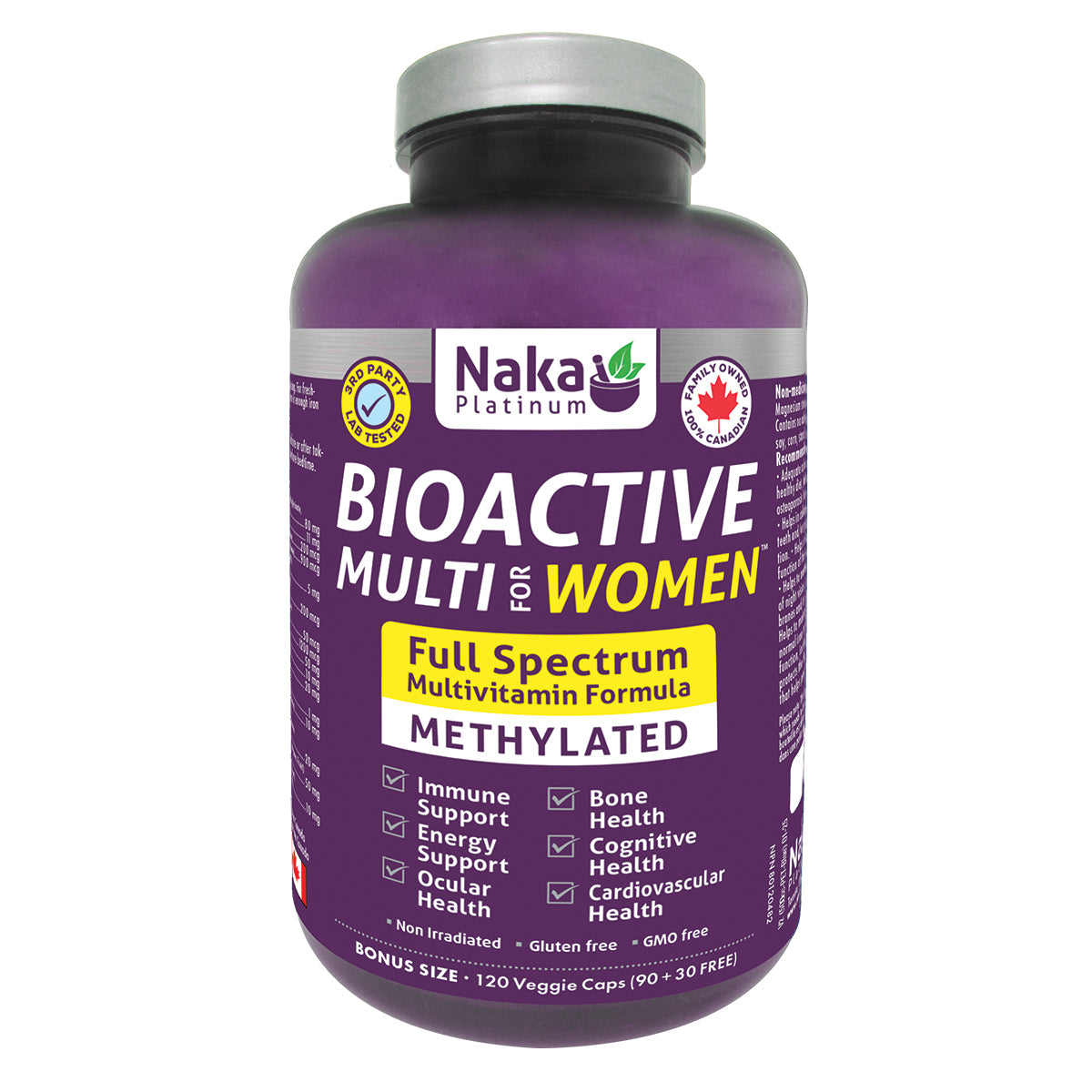
Naka Platinum
Bioactive Multi for Women, 120 Veggie Caps
vitamin d3 · 1000 IU
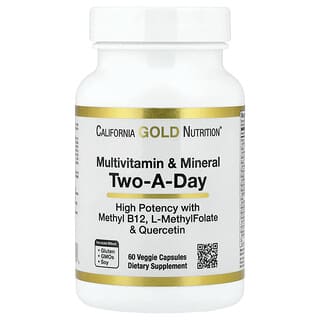
California Gold Nutrition
Daily Multivitamins
cholecalciferol · 2000 IU
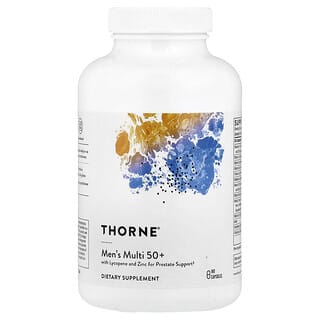
Thorne
Men's Multi 50+
vitamin d3 · 1000 IU
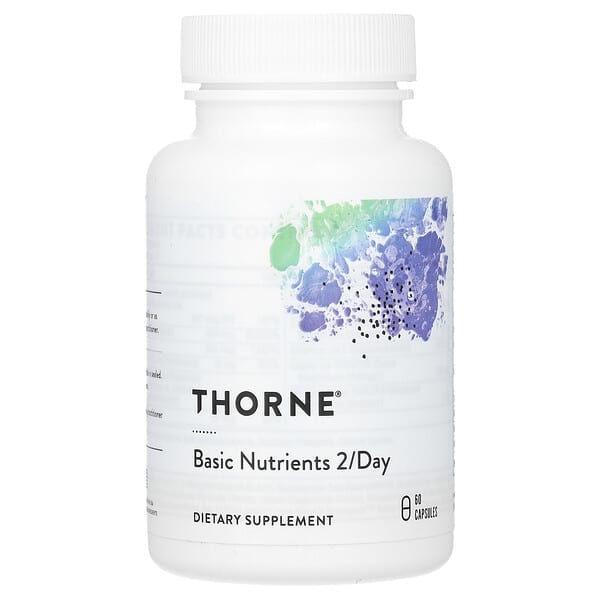
Thorne
Basic Nutrients 2/Day
vitamin d3 · 2000 IU
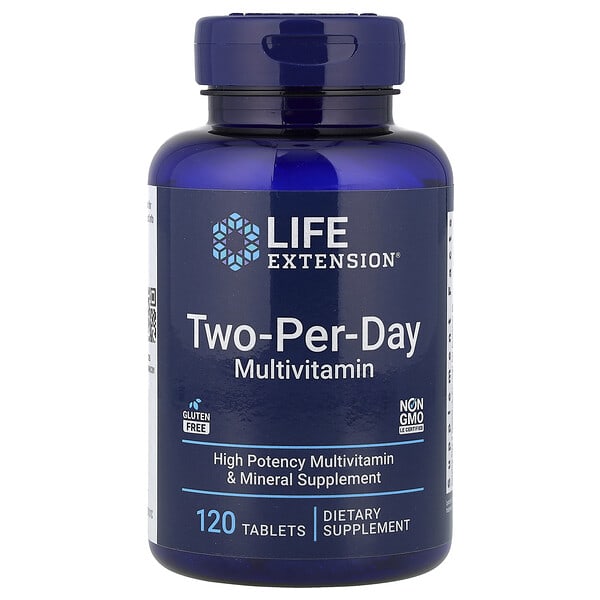
Life Extension
Two-Per-Day Multivitamin, V2, 120 Tablets
vitamin d3 · 2000 IU
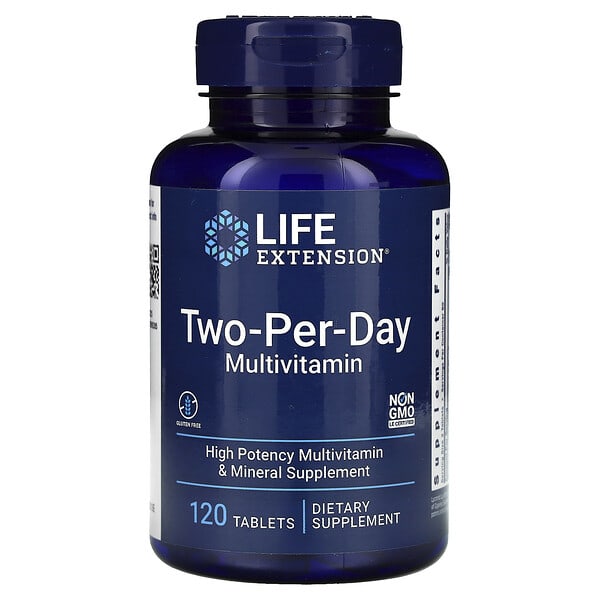
Life Extension
Two-Per-Day Multivitamin, 120 Tablets
vitamin d3 · 2000 IU
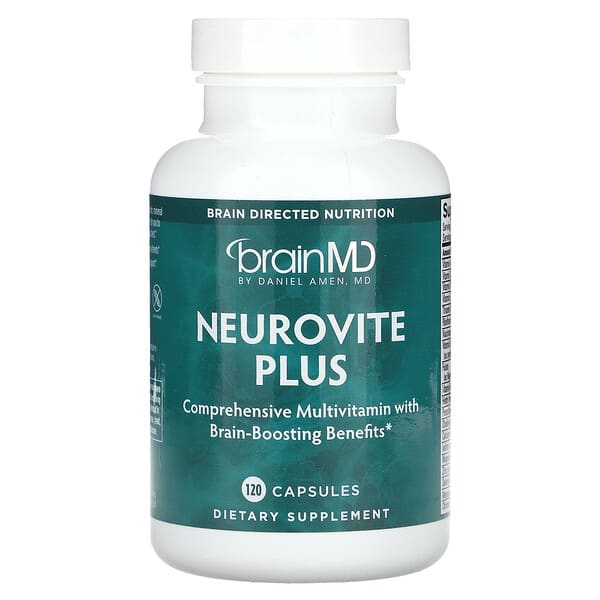
BrainMD
Neurovite Plus
cholecalciferol · 2000 IU
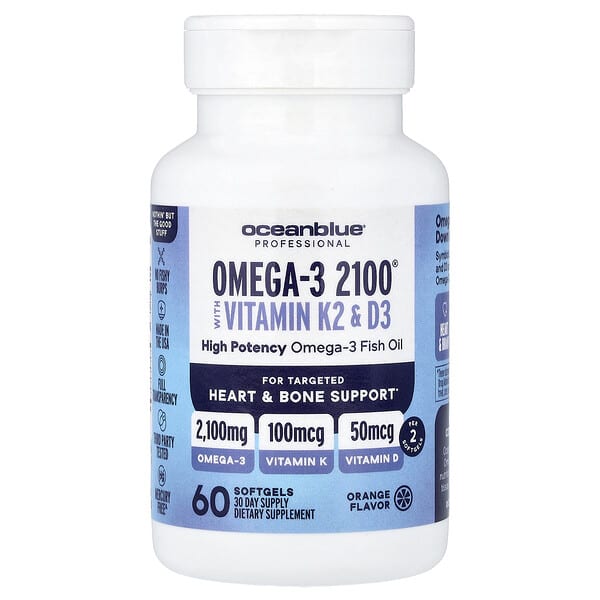
Oceanblue Professional
Omega-3 2100 with Vitamin K2 & D3 Natural Orange Flavor
cholecalciferol · 2000 IU
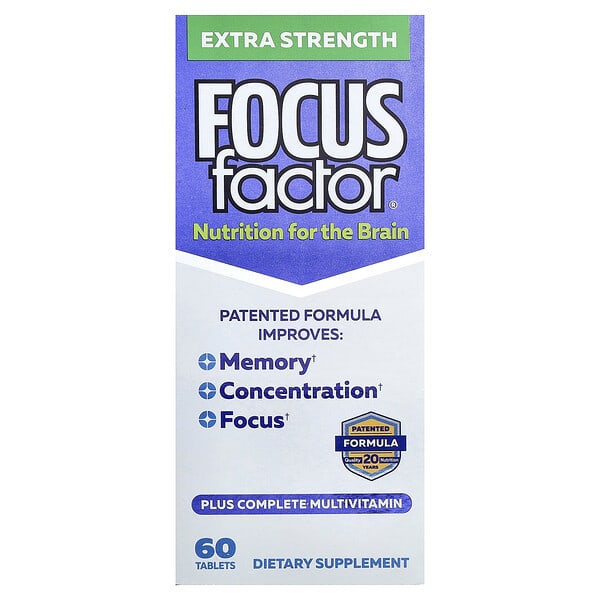
Focus Factor
Focus Factor Extra Strength
cholecalciferol · 1000 IU