Best Vitamin B1 for Energy
Top 10 products ranked
Last reviewed May 2026
Clinical dose: 25–100 mg
Why Vitamin B1 for Energy
Vitamin B1 plays a supporting role in energy. Essential cofactor for glucose metabolism and energy production, particularly in nerve and muscle cells. Benfotiamine is a fat-soluble derivative with up to 5x higher bioavailability than standard thiamine, making it especially beneficial for nerve health. In clinical studies, vitamin b1 converts carbohydrates into energy.
What dose to look for
Clinical studies typically use 25–100 mg of vitamin b1. B-complex supplements typically provide 25–100 mg. Products below this range may not deliver meaningful results.
What the research says
Vitamin B1 has strong clinical evidence for energy benefits. Essential for glucose metabolism and nerve function; benfotiamine form has up to 5x higher bioavailability Learn more
Clinical research on Thiamine (Vitamin B1)
LOW for energy supplementation — critical for carbohydrate metabolism but deficiency is rare · 1.1–1.5 mg/day (RDA); therapeutic doses up to 100 mg in deficiency
- •Thiamine pyrophosphate is an essential cofactor for pyruvate dehydrogenase (glycolysis to TCA cycle) and alpha-ketoglutarate dehydrogenase (TCA cycle). Deficiency directly halts aerobic energy production.
- •Deficiency (beriberi) causes severe fatigue, weakness, and neurological symptoms but is rare outside of chronic alcoholism, bariatric surgery patients, and severe malnutrition. No evidence supplementation enhances energy when thiamine-replete.
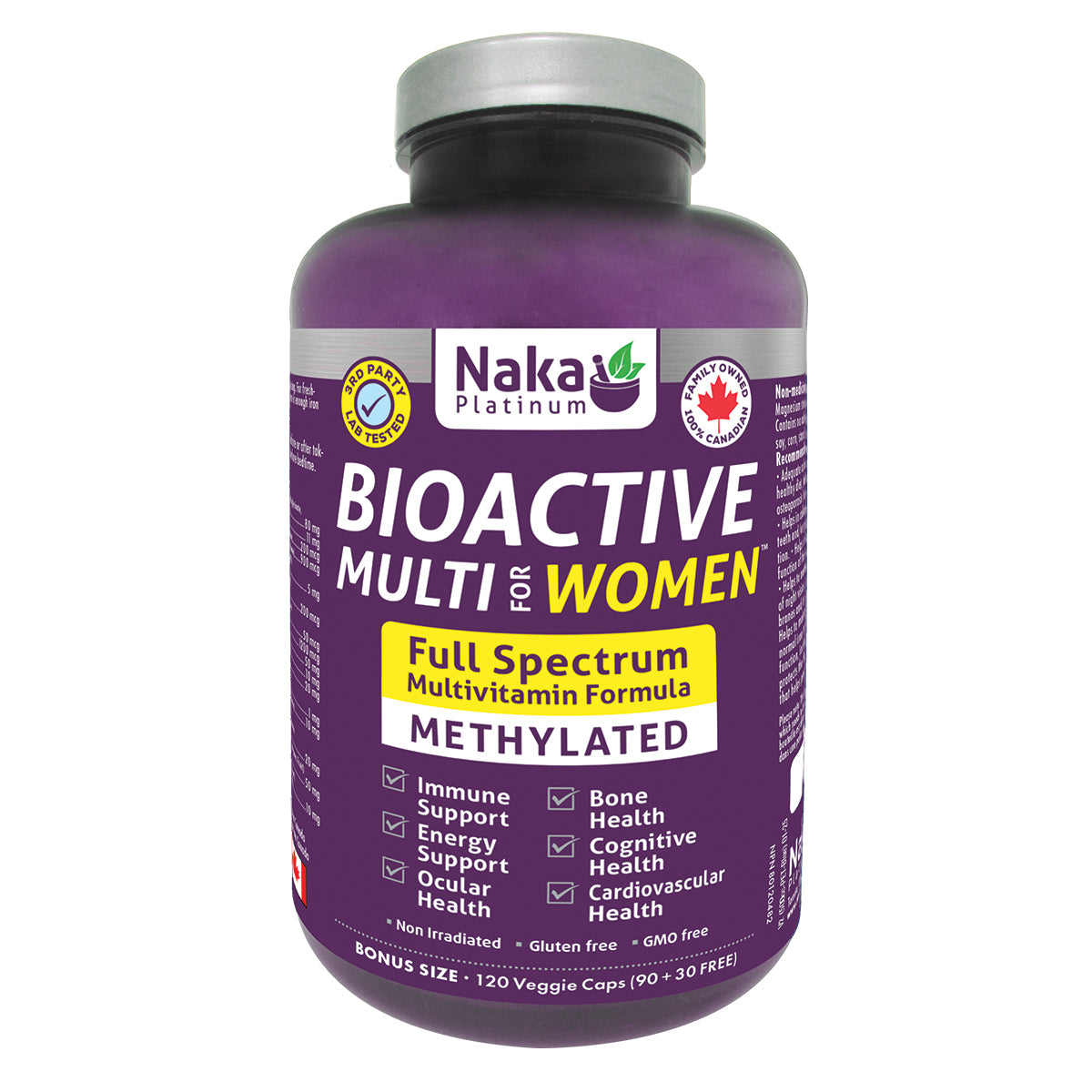
Naka Platinum
Bioactive Multi for Women, 120 Veggie Caps
benfotiamine · 30 mg
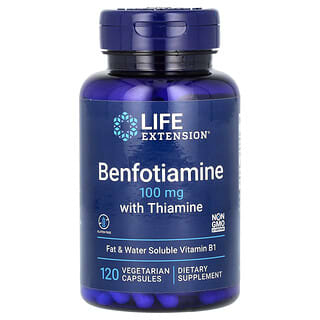
Life Extension
Benfotiamine 100 mg with Thiamine
benfotiamine · 100 mg
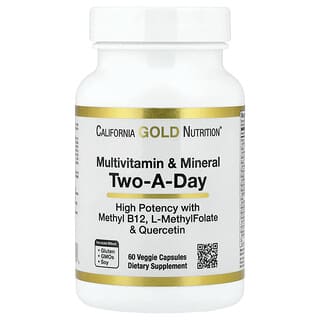
California Gold Nutrition
Daily Multivitamins
thiamine hydrochloride · 75 mg
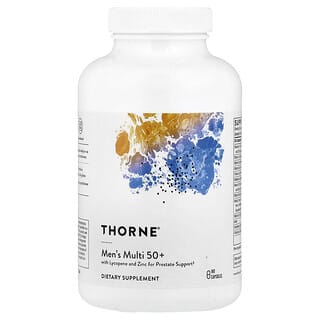
Thorne
Men's Multi 50+
thiamine hydrochloride · 40 mg
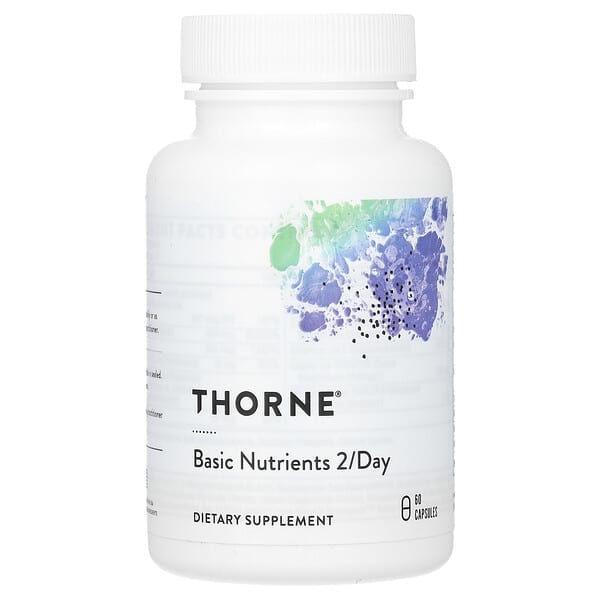
Thorne
Basic Nutrients 2/Day
thiamin hcl · 50 mg
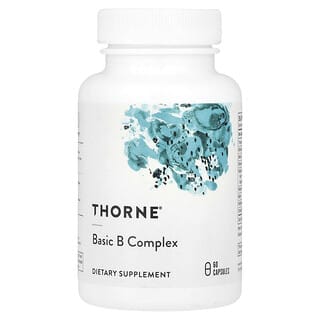
Thorne
Basic B Complex
Mixed forms · 110 mg
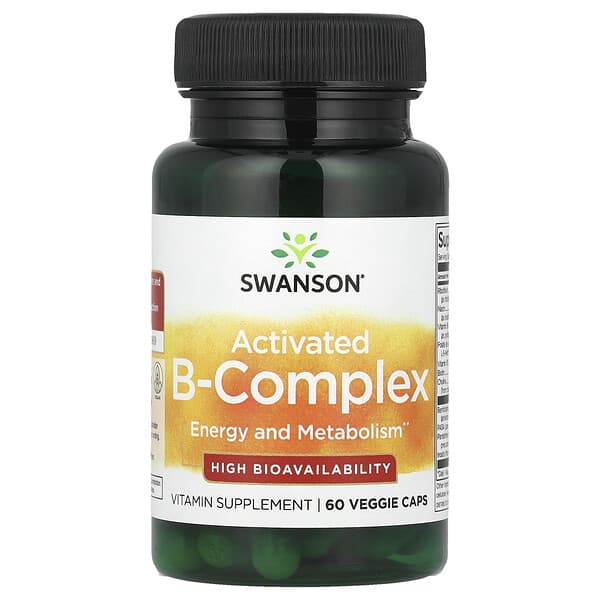
Swanson
Activated B-Complex High Bioavailability
benfotiamine · 36 mg
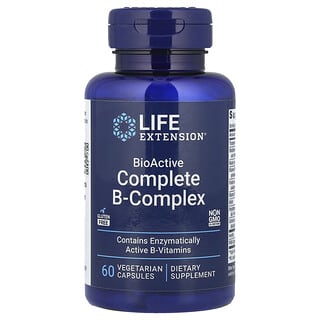
Life Extension
BioActive Complete B-Complex
Mixed forms · 100 mg
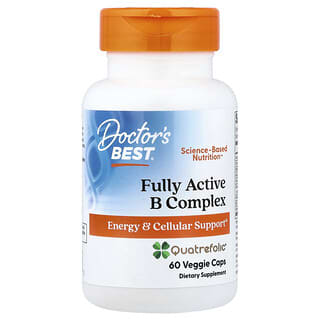
Doctor's Best
Fully Active B Complex with Quatrefolic
thiamine hydrochloride · 60 mg
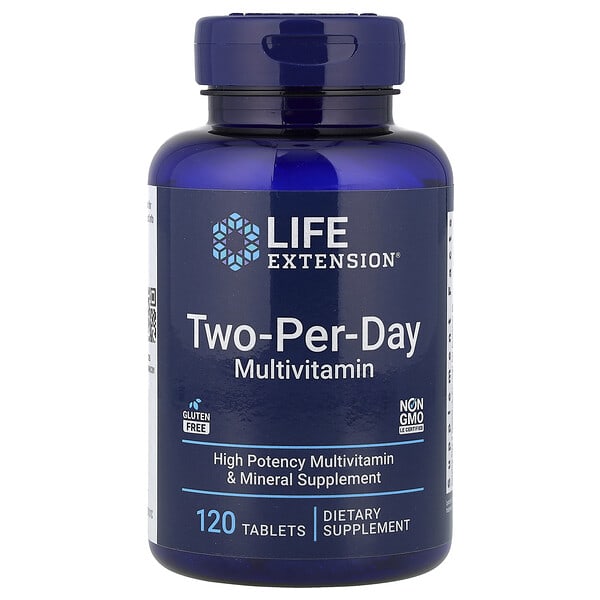
Life Extension
Two-Per-Day Multivitamin, V2, 120 Tablets
thiamine hcl · 75 mg